
Marketing and Growth Strategy
If you want more people to find your business online, you may hear about local SEO and global SEO. These are two different ways to help your website appear in search results. Choosing the right one can help you reach the right customers, grow your business, and make better use of your marketing budget. The good news is that most businesses do not need both at the beginning. The first step is understanding which option is the best fit for your business.
So, what’s the real difference? (Quick answer)
Local SEO helps your business appear in search results when people nearby are looking for the products or services you offer. Global SEO helps your website reach people in different cities, states, or countries. If your customers are close to your business, local SEO is usually the better choice. If you want to sell to people in many places around the world, global SEO can help you reach a larger audience over time.

Understanding Local SEO (in simple terms)
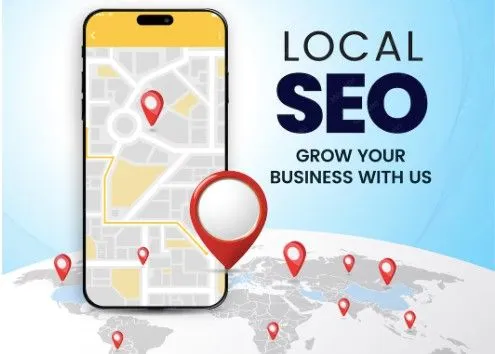
Think of local SEO as a way to help nearby customers find your business online. When someone searches for a service like a dentist, plumber, or marketing agency, Google usually shows businesses that are close to their location. Local SEO helps your business appear in those local search results and on Google Maps.
For example, if your business is in Colorado and someone nearby searches for the services you offer, local SEO increases your chances of being found. These people are often ready to call, book an appointment, or visit your business. That is why local SEO is one of the most effective ways for local service businesses to attract new customers.
What about Global SEO?
Global SEO is different because it is not focused on one city or area. It helps your website reach people in many cities, states, or even different countries. This is a good option for businesses that sell products or services online and are not limited to one location, such as online stores, software companies, or businesses that serve customers worldwide.
The main goal of global SEO is to help more people discover your business over time. While it can bring a larger audience, it usually takes longer to see results because you are competing with businesses from many different places.

Why this choice actually matters
Many businesses think global SEO is always the better choice because it helps you reach more people. But that is not true for every business.
If most of your customers come from one city or a nearby area, local SEO is usually the better option. It helps you reach people who are more likely to contact your business or become customers. Focusing on people outside your service area may bring more visitors, but many of them may never buy from you.
On the other hand, if your business sells products or services to customers across different cities or countries, global SEO can help you reach a much larger audience. The best SEO strategy depends on who your customers are and where your business serves them.
When local SEO simply makes more sense
If your business serves customers in a specific city or area, local SEO is usually the best place to start. It helps people nearby find your business when they are searching for the products or services you offer.
This works well for businesses such as medical clinics, restaurants, home service companies, real estate agencies, and other local businesses. Instead of competing with businesses across the country or around the world, you are focused on reaching customers in your local area. These people are often ready to call, book an appointment, or visit your business, making local SEO a smart way to attract more qualified customers.
When global SEO becomes the better move
Global SEO is a good choice if your business is not limited to one location. If you sell products online, offer digital services, or work with customers in different cities or countries, global SEO can help more people find your business.
The goal is to reach a larger audience and grow your business over time. Since you are competing with businesses from many places, it usually takes more time and effort to see results. With the right strategy and consistent work, global SEO can help your business grow in many different markets.
The approach most people overlook
You do not always have to choose between local SEO and global SEO. Many businesses can benefit from using both at the same time.
For example, a business in Colorado can use local SEO to attract customers in its service area while using content marketing to reach people in other cities or countries. This helps the business get local leads today while also building its online presence for future growth.
Using both strategies together allows you to attract nearby customers now and reach a larger audience over time. This balanced approach can support both short term results and long term success.
A more practical way to decide
If you are not sure which SEO strategy is right for your business, start by asking yourself a few simple questions. Where do your customers live? Do they need to be close to your business? Are you trying to get more local customers now, or do you want to reach people in many different places over time?
Your answers will help you choose the right approach. If most of your customers are in your local area and are ready to buy, local SEO is usually the best choice. If your business can serve customers in different cities or countries, global SEO can help you reach a larger audience and support long term growth.
Common mistake to avoid
One of the biggest mistakes businesses make is trying to reach everyone at the same time. They focus on broad keywords and miss the chance to attract local customers who are ready to buy. As a result, their website may not rank well for any search.
A better approach is to start with a clear plan. Focus on the audience that matters most to your business, build a strong online presence, and then expand your SEO strategy as your business grows. This makes it easier to get better results over time.
Final thoughts
For many businesses in Colorado, local SEO is the best way to attract nearby customers and see results sooner. It helps your business appear when people in your area are searching for the products or services you offer.
Global SEO is a better choice when you are ready to reach customers in other cities, states, or countries. The right option depends on your business goals and the people you want to serve. By choosing the SEO strategy that matches your business, you can attract the right customers and support steady business growth.
Frequently Asked Questions
1: What is the main difference between local SEO and global SEO?
Local SEO helps you show up for nearby customers in your area, while global SEO targets audiences across different cities or countries.
2: Is local SEO better than global SEO?
Neither is “better” it depends on your business. Local SEO works best for nearby customers, while global SEO suits businesses that can sell anywhere.
3: Can a business use both local and global SEO?
Yes, many businesses do. They use local SEO for quick leads and global SEO to build long-term reach and visibility.
4: Which SEO strategy gives faster results?
Local SEO usually delivers faster results because you’re competing in a smaller, more focused area.
5: Is global SEO more expensive than local SEO?
In most cases, yes. Global SEO needs more content, strategy, and technical setup compared to the more focused local SEO approach.


