
Local SEO for Hotels in Colorado: Best Tips for Hotels
A big hotel chain has a marketing team, a national ad budget, and a website built by a large agency. An independent hotel or resort usually has none of that. What an independent property does have is something the chains often lack, a real story, a real place, and real character. Local SEO is how you turn that advantage into bookings instead of losing every search to a bigger brand.
Why Local SEO Matters More for Independent Properties
When someone searches for a place to stay near Estes Park, Pagosa Springs, or Durango, they are usually choosing between a familiar chain name and a handful of independent options they have never heard of before. The chain wins on name recognition alone unless your property shows up clearly, looks trustworthy, and answers the traveler's questions before they even click through to your website. Local SEO is the tool that levels that playing field.
Start With Your Google Business Profile
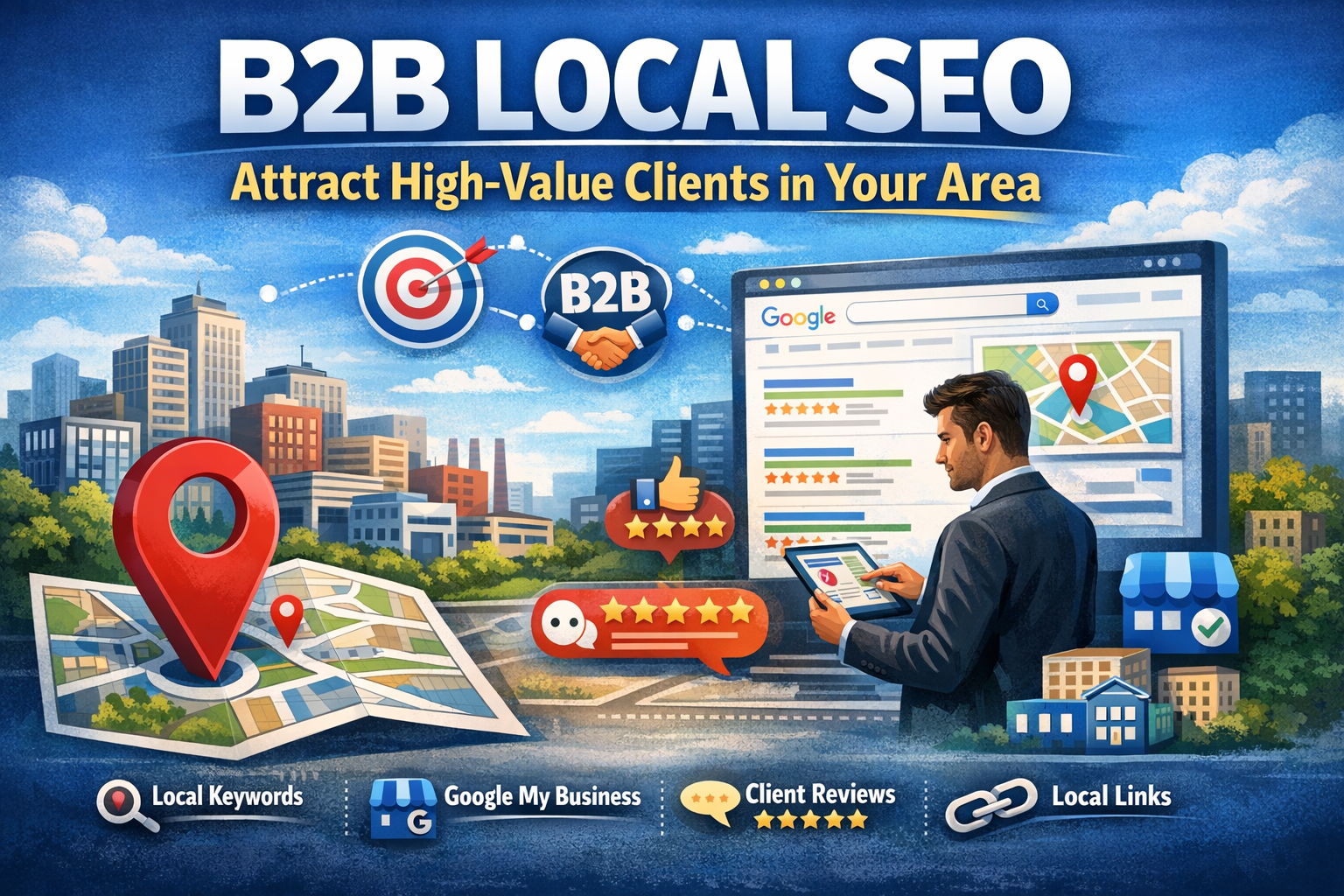
Your Google Business Profile is often the very first thing a traveler sees, sometimes before they ever visit your website. It needs an address that matches your website exactly, accurate check in and check out times, and photos that actually show your rooms, your grounds, and the area around you. A profile with outdated photos or missing details quietly pushes bookings toward a competitor with a more complete listing. Keeping this profile current is one of the simplest, highest value things an independent hotel can do.
Use the Words Real Travelers Actually Search For
A traveler rarely searches for a hotel by category alone. They search for something specific, a cabin near the Rio Grande, a resort close to hot springs, or a place to stay near a certain trailhead or ski area. Your website should speak that same language. Instead of vague phrases like luxury accommodations, mention the real landmarks nearby, the actual distance to the things guests care about, and the specific experience your property offers.
Build Pages Around What Guests Actually Want to Know
Most travelers researching an independent property want quick answers to a few real questions. How far is it from the airport or nearest town. What is nearby to do. Is it pet friendly. Does it have parking. A page that answers these questions clearly, in plain language, tends to earn more trust and more bookings than a page filled with generic marketing language that never actually answers anything.
Reviews Carry Enormous Weight for Independent Properties
Chain hotels benefit from brand trust built over decades. Independent properties have to earn that same trust one guest at a time, and reviews are how that happens. A steady stream of honest reviews, along with thoughtful responses from the owner or manager, does more to build confidence than almost anything else on a hotel website. Guests researching an unfamiliar independent property read reviews closely before deciding to book.
Make Sure Your Site Works Well on a Phone
Many travelers are searching and booking directly from their phone, often while still deciding on their trip. A hotel website that loads slowly, is hard to navigate, or makes booking difficult on a small screen loses guests before they ever see a room. Clear photos, an easy to find booking button, and fast loading pages matter just as much as the quality of the rooms themselves.

Local Content Builds Trust Before the Booking
Content about the surrounding area, real hiking trails nearby, local restaurants, seasonal events, or nearby attractions, helps a traveler picture their trip before they book. This kind of content also helps your property show up in searches beyond just your hotel name, since travelers often search for the area itself before they know which specific property to choose. Our Local SEO services team builds this kind of content specifically around the towns and landmarks near your property.
Keep Your Listings Consistent Everywhere
Your hotel's name, address, and phone number need to match exactly across your website, your Google Business Profile, travel booking sites, and any local directories. Mismatched information confuses both travelers and search engines, and it can quietly hurt your visibility even if your website itself looks great. If your profile has ever gone missing or been suspended, our Google Business Profile suspension recovery service can help get it back in good standing.
Why This Work Pays Off for Independent Hotels
An independent hotel or resort cannot outspend a national chain on advertising, but it can out communicate them when it comes to local trust. A traveler who finds a complete, accurate, well reviewed listing for a property that clearly understands its own area is far more likely to book than one who lands on a generic page that could describe any hotel anywhere.
Frequently Asked Questions
1. How is local SEO different for a hotel compared to a regular local business?
Hotels compete for travelers who are unfamiliar with the area, so local SEO for hotels leans more heavily on describing nearby landmarks, distances, and local experiences than a typical local business would.
2. Do reviews matter more for independent hotels than chain hotels?
Yes. Chain hotels already carry brand trust, so independent properties depend more heavily on strong, honest reviews to earn that same trust from new guests.
3. How long does it take for local SEO to improve hotel bookings?
Basic improvements like fixing your Google Business Profile can show results within weeks. Stronger, lasting visibility usually builds over a few months of steady work.
4. Should a small resort focus on local SEO or paid ads?
Both have a place, but local SEO tends to build lasting, ongoing visibility, while paid ads only bring traffic while you are actively paying for them.
5. What is the easiest first step for a hotel with no SEO in place?
Start with your Google Business Profile. Getting your hours, photos, and location details accurate is the fastest way to see an early improvement.
Get a Free SEO Audit for Your Property
See exactly what is holding your hotel or resort back in local search. LBA4U offers a free website and SEO audit built around independent hospitality businesses in Colorado.


